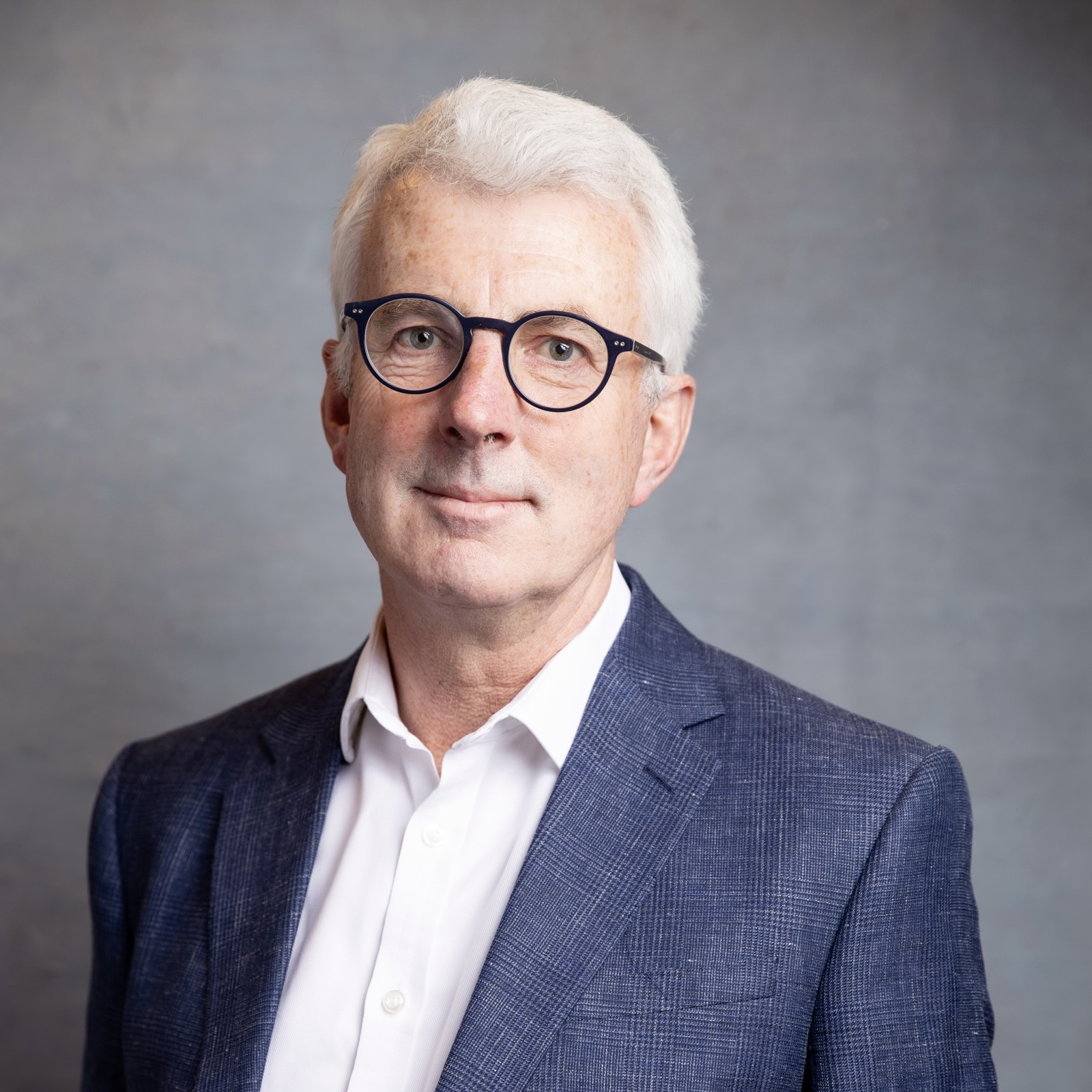
Julian Allwood
Professor of Engineering and the Environment, University of Cambridge
Julian Allwood is Professor of Engineering and the Environment at the University of Cambridge, where he directs the Use Less Group. His research focuses on pathways to zero emissions using technologies that already exist at scale, with a particular emphasis on identifying opportunities for business growth compatible with real zero emissions. He was a Lead Author of the 5th IPCC Assessment Report and directed UK FIRES, a £5m multi-university programme exploring industrial strategy compatible with zero emissions by 2050. He was elected Fellow of the Royal Academy of Engineering in 2017 and in 2025 was appointed to the Science and Technology Advisory Committee of the UK Government’s Department for Energy Security and Net Zero.
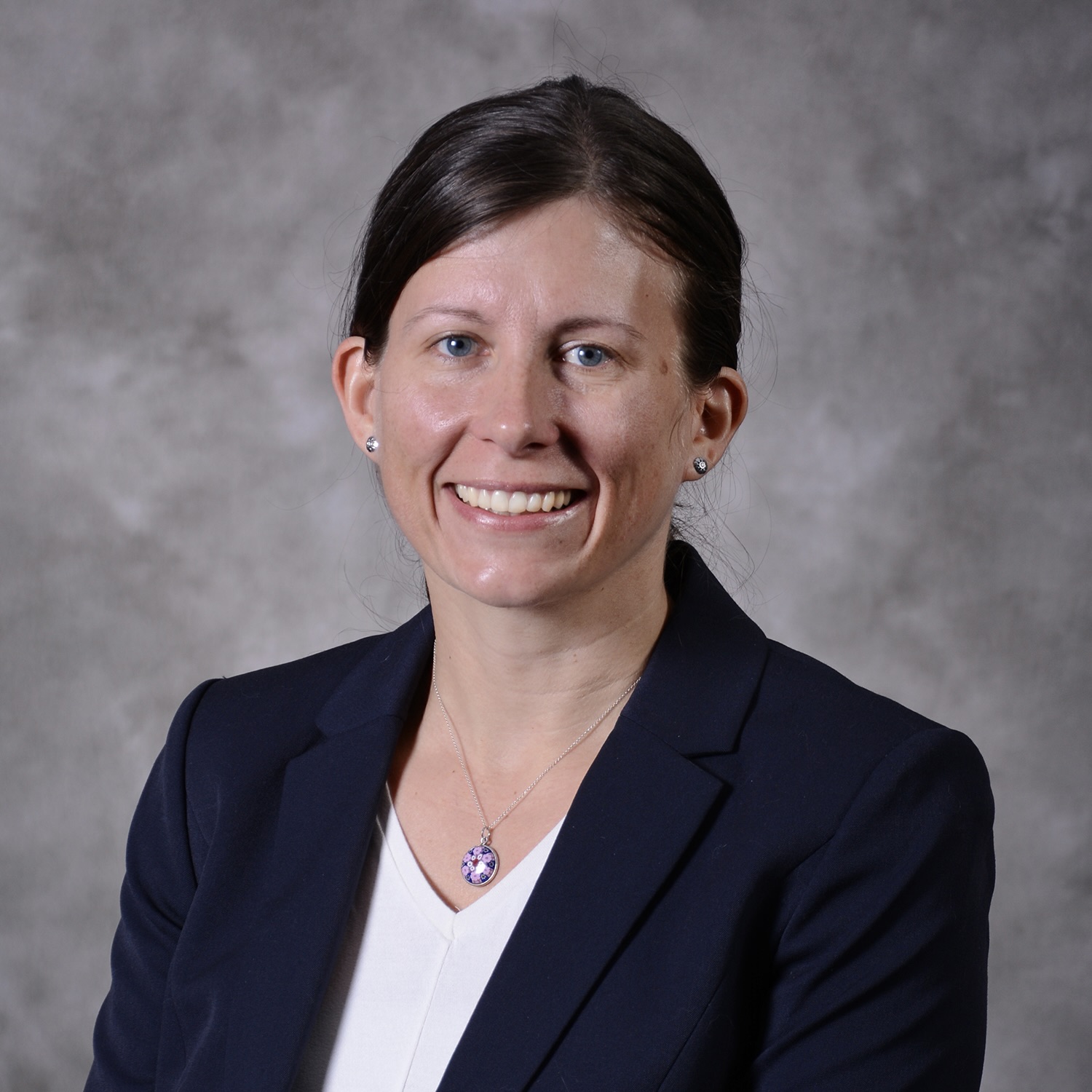
Jennifer Baka
Associate Professor of Geography, Pennsylvania State University
Jennifer Baka is an Associate Professor of Geography and an Associate at the Earth and Environmental Systems Institute at Penn State. Prior to joining Penn State, she was an Assistant Professor of Geography and Environment at the London School of Economics. She earned a PhD in Environmental Studies from the Yale School of Forestry and Environmental Studies and a Master’s in Public Policy from UC Berkeley. She conducts interdisciplinary research on how energy systems impact human-environment relationships and environmental governance. Since 2020, she has been a Member of the Environmental Justice Advisory Board for the Pennsylvania Department of Environmental Protection.
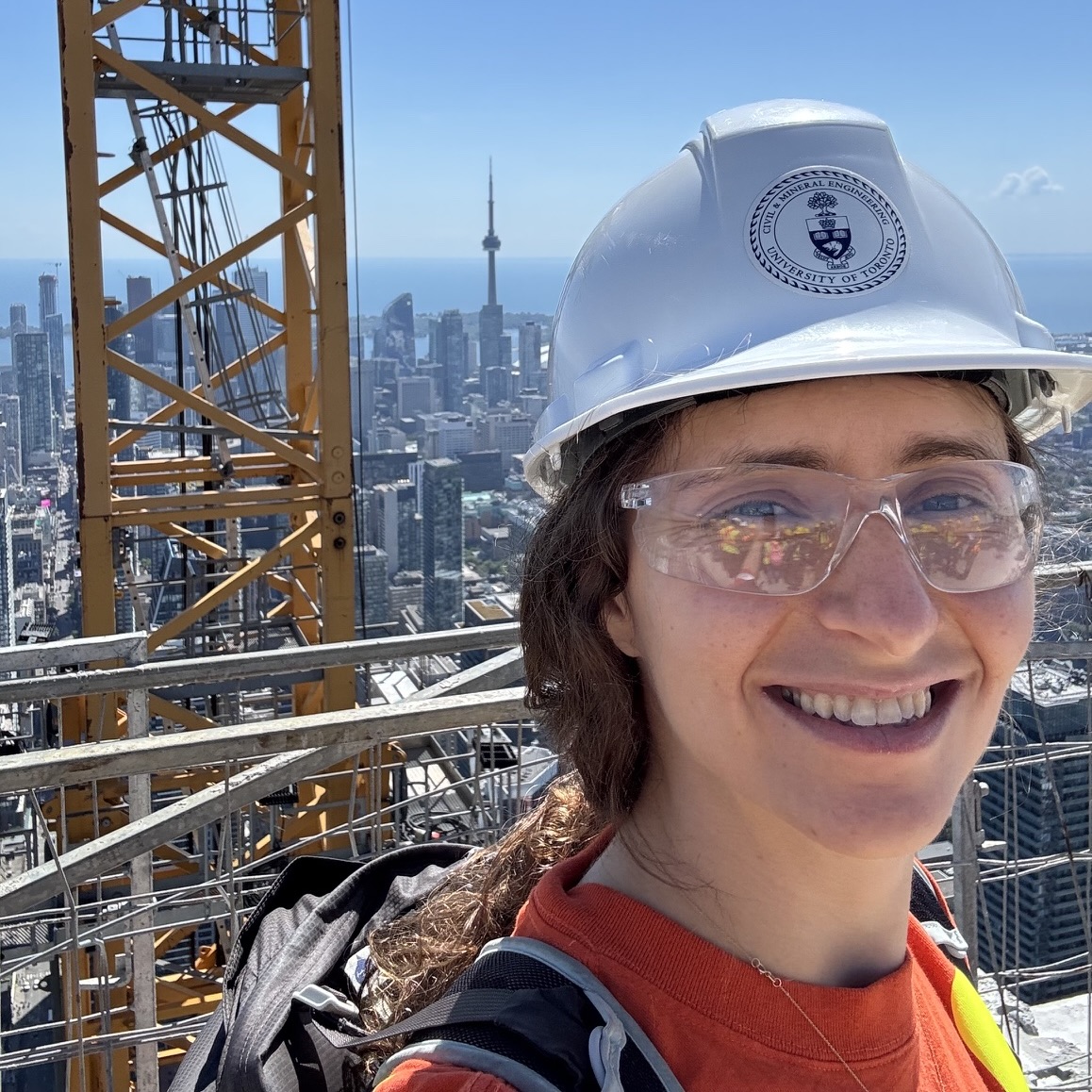
Shoshanna Saxe
Associate Professor, Department of Civil & Mining Engineering, University of Toronto
Dr. Shoshanna Saxe is an Associate Professor in the University of Toronto’s Department of Civil & Mineral Engineering, the director of the Centre for the Sustainable Built Environment, and Canada Research Chair in Sustainable Infrastructure. She investigates the relationship between the infrastructure we build and the society we create to identify opportunities – and pathways – to better align infrastructure provision with sustainability. Her research focuses around two main questions: 1) What should we build? and 2) how should we build it?
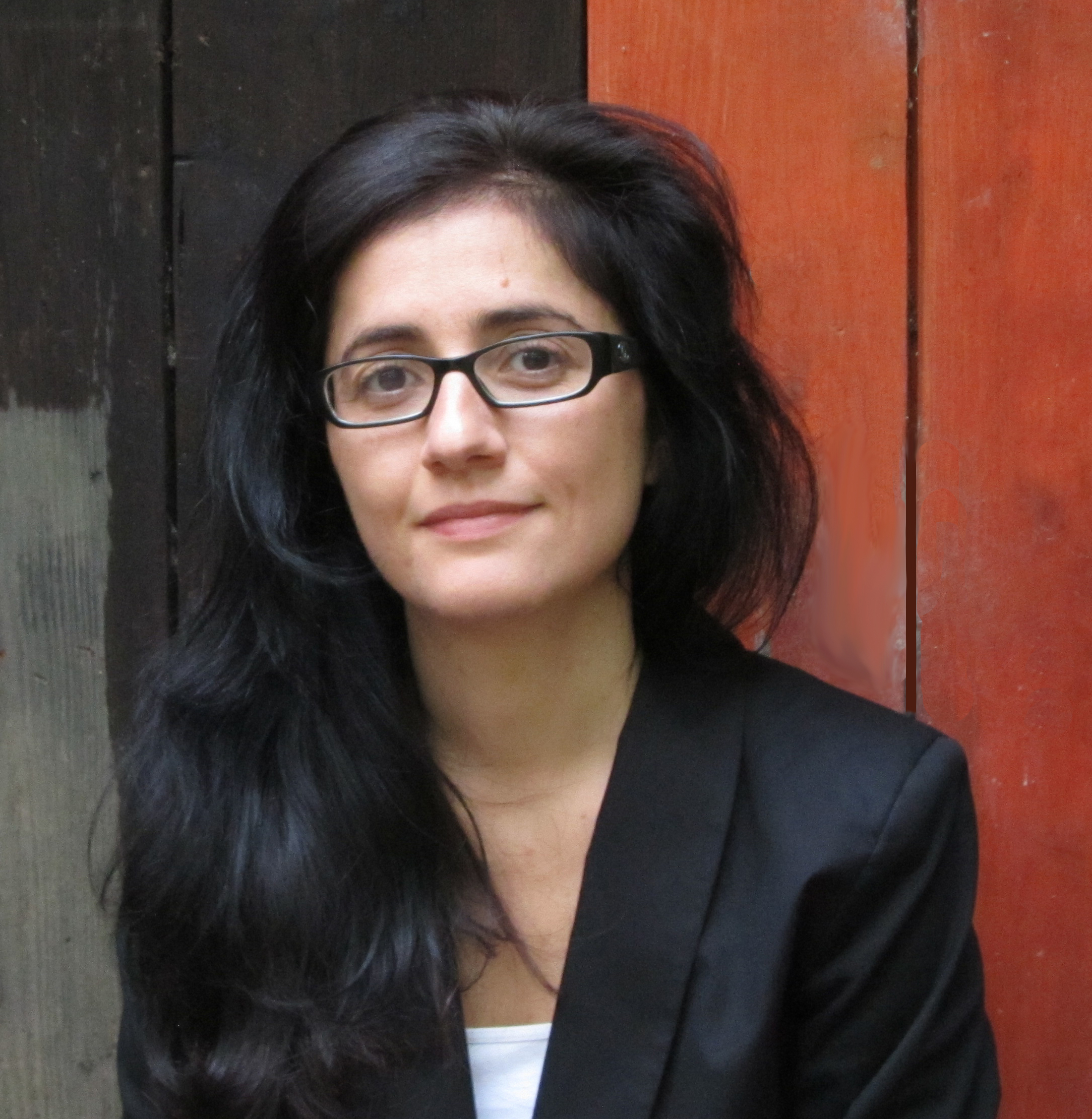
Daniela Perrotti
Professor at the University of Louvain, Faculty of Architecture, Architectural Engineering and Urban Planning
Daniela Perrotti is a Professor at the University of Louvain, Faculty of Architecture, Architectural Engineering and Urban Planning, where she leads the Urban Metabolism Lab. Her work critically rethinks the conceptual and methodological foundations of urban metabolism research by exploring the role of non-human nature in urbanisation processes, focusing on experimental metabolic frameworks that link cities’ material requirements to the implementation of nature-based solutions across the Global North and South. Daniela is a Lead Author of the European State of the Climate report (Copernicus Climate Change Service and World Meteorological Organization) and a Scientific Commissioner of the Belgian Funds for Scientific Research (F.R.S.-FNRS) and the Belgian Academy for Research and Higher Education (ARES).
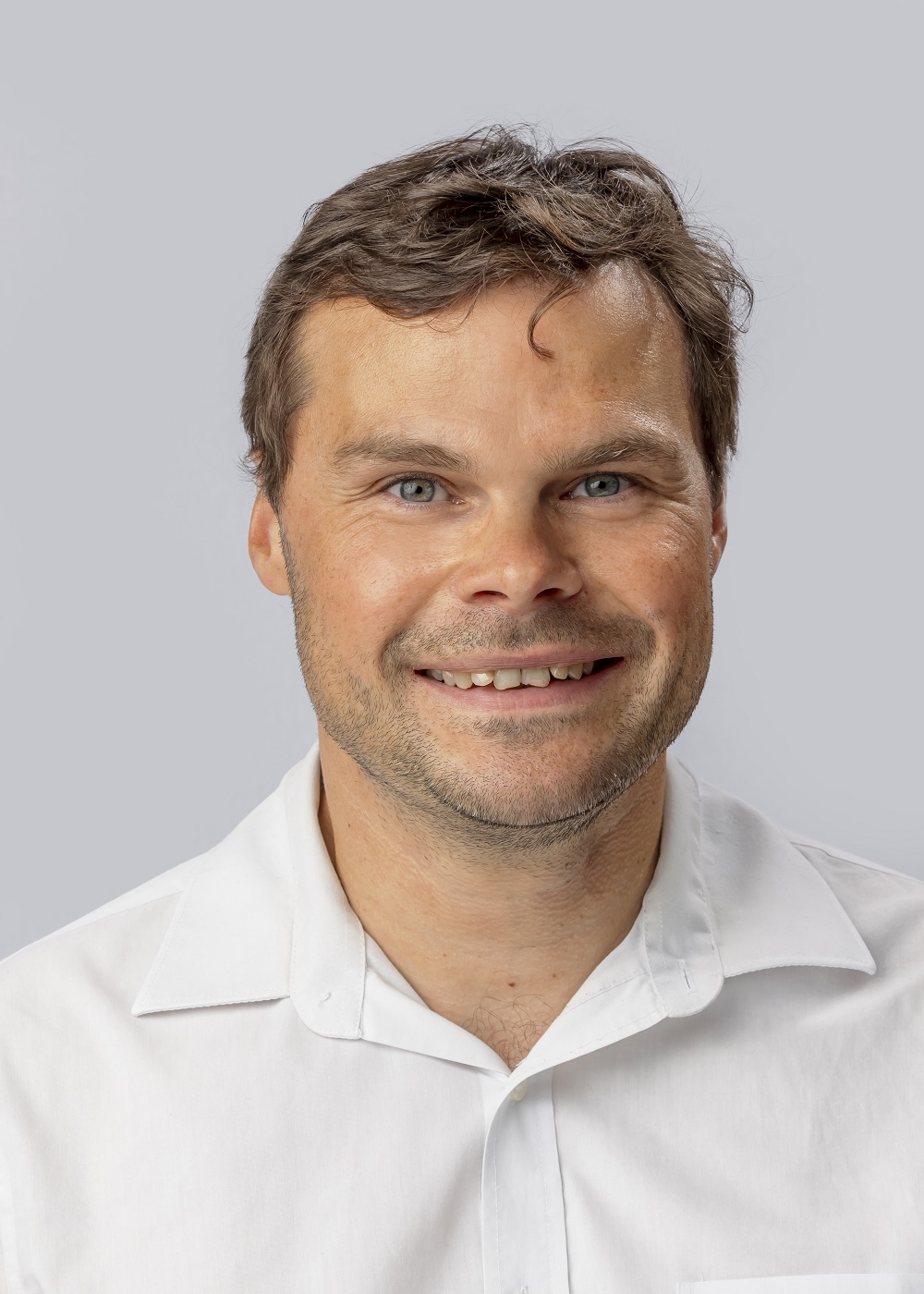
Stefan Pauliuk
Professor for Industrial Ecology, University of Freiburg, Germany
Stefan Pauliuk is a globally recognized sustainability scholar working on future material demand, circular economy potentials, and transformation pathways for society‘s metabolism. His work focusses on the built environment: buildings, transport, infrastructure, industry, and energy supply, from cities to the global level, and for major materials (steel, cement, wood, copper, plastics) and technology metals. Furthermore, he develops indicators, methods, models, and data infrastructure for industrial ecology and socio-metabolic research. He is professor for Sustainable Material and Energy Flow Management at the Faculty for Environment and Natural Resources, University of Freiburg, Germany, where he leads the research group “Industrial Ecology Freiburg”.